
Energy drinks are everywhere.
Gas stations, grocery stores, gyms, office desks, construction sites, and long highway drives. They promise energy, focus, endurance, and mental alertness ? often in a brightly colored can loaded with caffeine and stimulants.
But behind the marketing is a darker reality:
Millions of people are consuming massive doses of stimulants daily, often without realizing the strain these products place on the heart, nervous system, blood pressure, sleep cycles, and overall health.
Over the past 20 years, energy drinks have been linked to emergency room visits, heart attacks, strokes, seizures, arrhythmias, and deaths ? especially when overconsumed or mixed with dehydration, exercise, alcohol, medications, or underlying heart conditions.
The scary part?
Many people who experience serious complications are young, active, and otherwise ?healthy.?
The Rise of Energy Drink Deaths
Energy drinks themselves are not always the sole cause of death.
But many documented cases show they were a major contributing factor ? usually involving:
- Excessive caffeine
- Rapid consumption
- Dehydration
- Heart rhythm disturbances
- Overstimulation of the nervous system
- Dangerous stimulant combinations
According to medical reviews and reported cases, energy drinks have been associated with thousands of emergency room visits annually in the United States alone.
Common Dangerous Ingredients in Mainstream Energy Drinks
Many popular energy drinks contain combinations of:
- Extremely high caffeine levels
- Synthetic stimulants
- Excess sugar
- Artificial sweeteners
- Artificial dyes
- Preservatives
- Taurine overload
- Excess niacin
- Guarana (additional hidden caffeine)
- Yohimbine and other stimulants
Some drinks contain the caffeine equivalent of 3?6 cups of coffee consumed rapidly.
When combined with stress, exercise, poor sleep, dehydration, or alcohol, the risks can rise dramatically.
5 Real Examples of Energy Drink-Related Deaths
1. Anais Fournier (14 years old)
A Maryland teenager reportedly died after consuming multiple highly caffeinated energy drinks over two days. The caffeine was linked to a cardiac arrhythmia caused by an underlying heart condition.
Her case became nationally known and helped spark conversations about energy drink safety.
2. Davis Allen Cripe (16 years old)
A South Carolina teenager collapsed after consuming a large caffeinated soft drink, coffee, and an energy drink within a short time period.
The coroner stated the cause was a ?caffeine-induced cardiac event causing probable arrhythmia.?
3. Ross Cooney (18 years old)
An Irish teenager reportedly died after consuming several energy drinks before playing basketball.
Medical reports linked the death to sudden cardiac arrhythmia.
4. John Jackson (30s)
A man in New Zealand reportedly suffered cardiac complications after consuming excessive amounts of energy drinks daily over long periods.
The combination of chronic stimulant exposure and high sugar intake contributed to severe cardiovascular stress.
5. Multiple Military Cases
Several military and athletic cases over the years have involved stimulant-heavy pre-workout or energy drink use combined with intense physical exertion, dehydration, and sleep deprivation.
In some documented incidents, soldiers and athletes experienced fatal cardiac events after consuming high-stimulant energy products.
The Hidden Danger Most People Ignore
The biggest danger is not always one single ingredient.
It?s the combination effect.
Many people consume energy drinks while already stressed, underslept, dehydrated, overworked, or inflamed.
That creates the perfect storm for:
- Elevated blood pressure
- Increased heart rate
- Adrenal overstimulation
- Anxiety and panic symptoms
- Sleep disruption
- Nervous system exhaustion
- Heart rhythm abnormalities
Then people repeat the cycle daily.
The result is often:
- fatigue,
- dependence,
- burnout,
- brain fog,
- and worsening energy crashes.
The Problem With the ?Energy? Itself
Most energy drinks create stimulation ? not true energy.
There?s a difference.
Artificial stimulation forces the body into overdrive temporarily.
Real energy comes from:
- hydration,
- circulation,
- oxygen delivery,
- electrolyte balance,
- nutrient support,
- mitochondrial function,
- and healthy nervous system support.
That?s where healthier alternatives become important.
A Healthier Alternative: LiveGood E3 + Super Reds
Instead of relying on synthetic stimulants and sugar bombs, many people are turning toward cleaner energy support.
One combination I personally use is:
LiveGood E3 + Super Reds mixed together over ice
I use it especially when:
- driving long distances,
- working long hours,
- needing focus,
- or wanting a clean boost without the harsh crash.
Unlike most canned energy drinks, this combination focuses more on:
- hydration,
- circulation,
- endurance,
- amino acid support,
- nitric oxide support,
- cognitive support,
- and smoother sustained energy.
What?s Inside LiveGood E3?
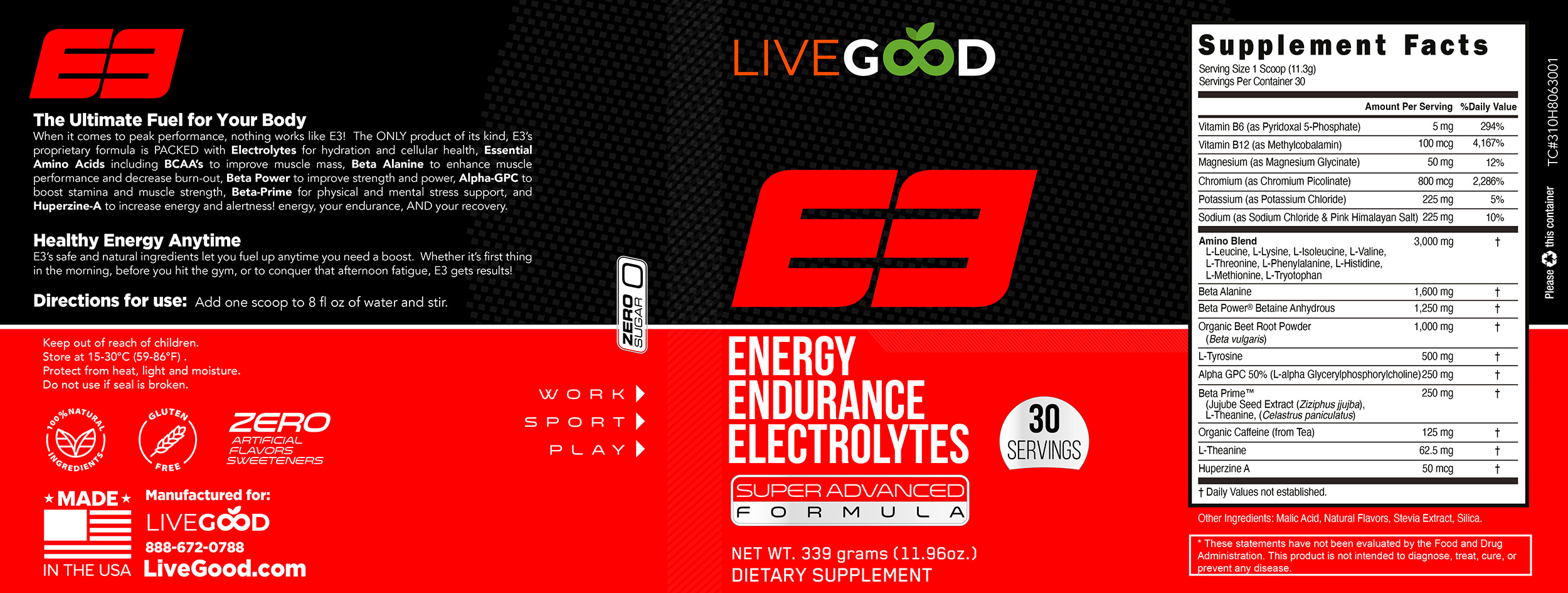
Key Ingredients and Benefits
Electrolytes
- potassium,
- sodium,
- magnesium,
which help support:
- hydration,
- muscle function,
- nerve signaling,
- and endurance.
Many energy drinks actually contribute to dehydration. Electrolytes help support the opposite.
Amino Acid Blend (3,000 mg)
Contains essential amino acids including:
- L-Leucine
- L-Isoleucine
- L-Valine (BCAAs)
- Lysine
- Threonine
- Phenylalanine
- Histidine
- Methionine
- Tryptophan
These help support:
- muscle recovery,
- endurance,
- cognitive performance,
- and reduced fatigue.
Beta Alanine
Often used in performance nutrition to support muscular endurance and reduce fatigue during exertion.
Betaine Anhydrous
Supports:
- power output,
- hydration,
- strength,
- and cellular performance.
Organic Beet Root Powder
Helps support nitric oxide production and circulation.
Better circulation can help improve:
- oxygen delivery,
- endurance,
- and mental alertness.
Alpha GPC
Known for cognitive support and focus.
Often used for:
- concentration,
- reaction time,
- and mental clarity.
Organic Caffeine From Tea
E3 uses 125 mg of organic caffeine from tea ? far lower and cleaner than many energy drinks that contain massive stimulant loads.
L-Theanine
One of the standout ingredients.
L-Theanine may help smooth the stimulant effect of caffeine, reducing:
- jitters,
- anxiety,
- and harsh crashes.
What?s Inside Super Reds?
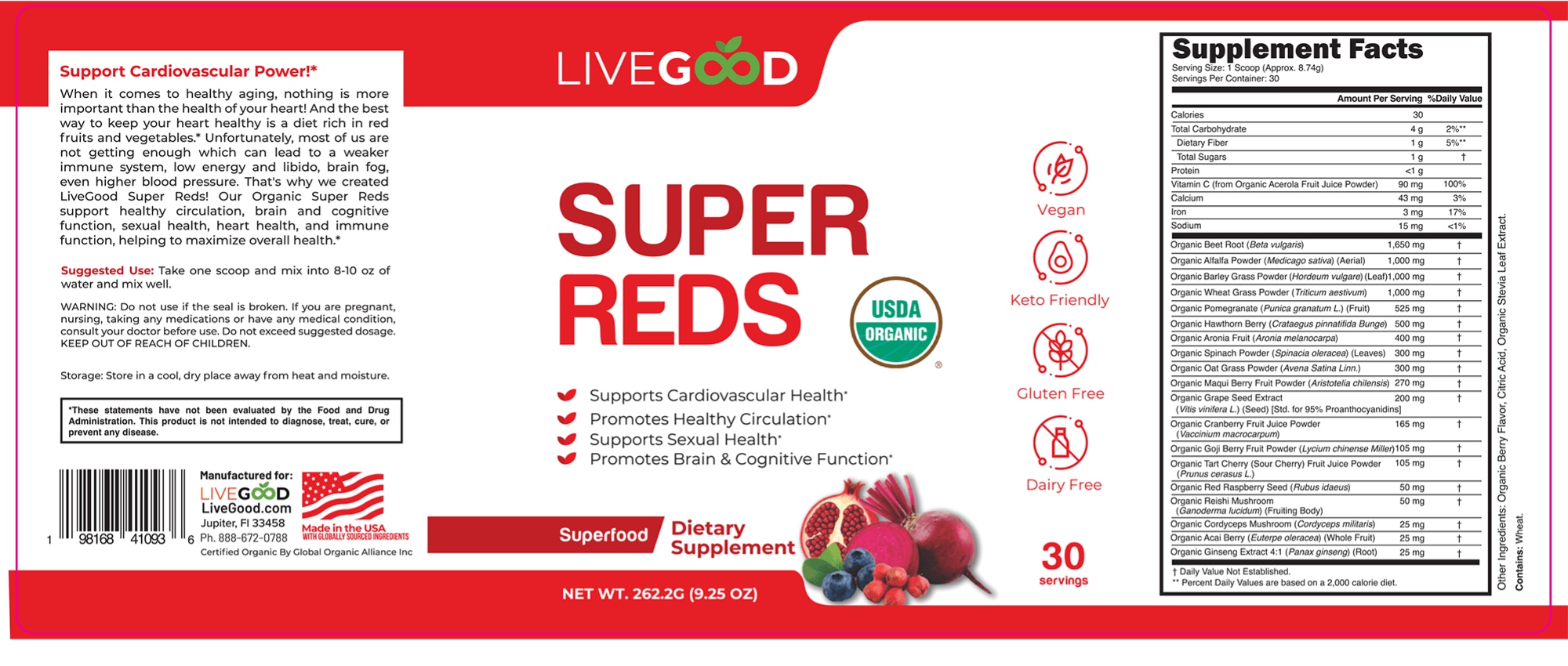
Super Reds focuses heavily on:
- circulation,
- antioxidants,
- cardiovascular support,
- and nutrient density.
Key Ingredients
Organic Beet Root
Supports nitric oxide and blood flow.
Organic Pomegranate
Rich in antioxidants that help combat oxidative stress.
Organic Hawthorn Berry
Traditionally used for cardiovascular support.
Organic Spinach & Wheat Grass
Provide natural phytonutrients and minerals.
Organic Cordyceps Mushroom
Known for endurance and oxygen utilization support.
Organic Ginseng Extract
Traditionally used for energy and stress resilience.
Organic Tart Cherry & Blueberry
Rich antioxidant support for recovery and inflammation balance.
Why E3 + Super Reds Work Well Together
The combination provides a very different experience than most energy drinks.
Instead of overwhelming the nervous system with stimulants, it supports:
- hydration,
- blood flow,
- endurance,
- mental focus,
- and sustained energy production.
The Combination Helps Support:
- Clean mental alertness
- Circulation and oxygen delivery
- Physical endurance
- Hydration
- Reduced crash feeling
- More stable energy
For many people, it feels smoother and more balanced compared to high-stimulant canned energy drinks.
The Ice Factor
One thing I personally like:
Mixing E3 + Super Reds with ice.
It turns it into a cold, refreshing drink that works especially well:
- during long drives,
- hot days,
- work sessions,
- or afternoon fatigue.
It feels more like fueling your body instead of shocking it awake.
Final Thoughts
Not every energy drink causes harm.
But the growing number of stimulant-related emergencies and deaths over the past two decades should make people think carefully about what they consume daily.
The problem isn?t just caffeine.
It?s:
- the dosage,
- the stacking of stimulants,
- chronic overuse,
- dehydration,
- and the lack of real nutritional support.
A healthier approach to energy focuses on supporting the body rather than overwhelming it.
That?s why cleaner combinations like LiveGood E3 + Super Reds stand out for people looking for:
- better endurance,
- better focus,
- hydration,
- and more sustainable energy without the brutal crash many mainstream energy drinks create.
Your body doesn?t just need stimulation.
It needs support.